
Wedding Flower Checklist: 12 Months to 1 Week Before
A month-by-month guide to wedding flowers, from the first venue visit to the final vase count, with clear decisions, confirmations and calm final-week checks.
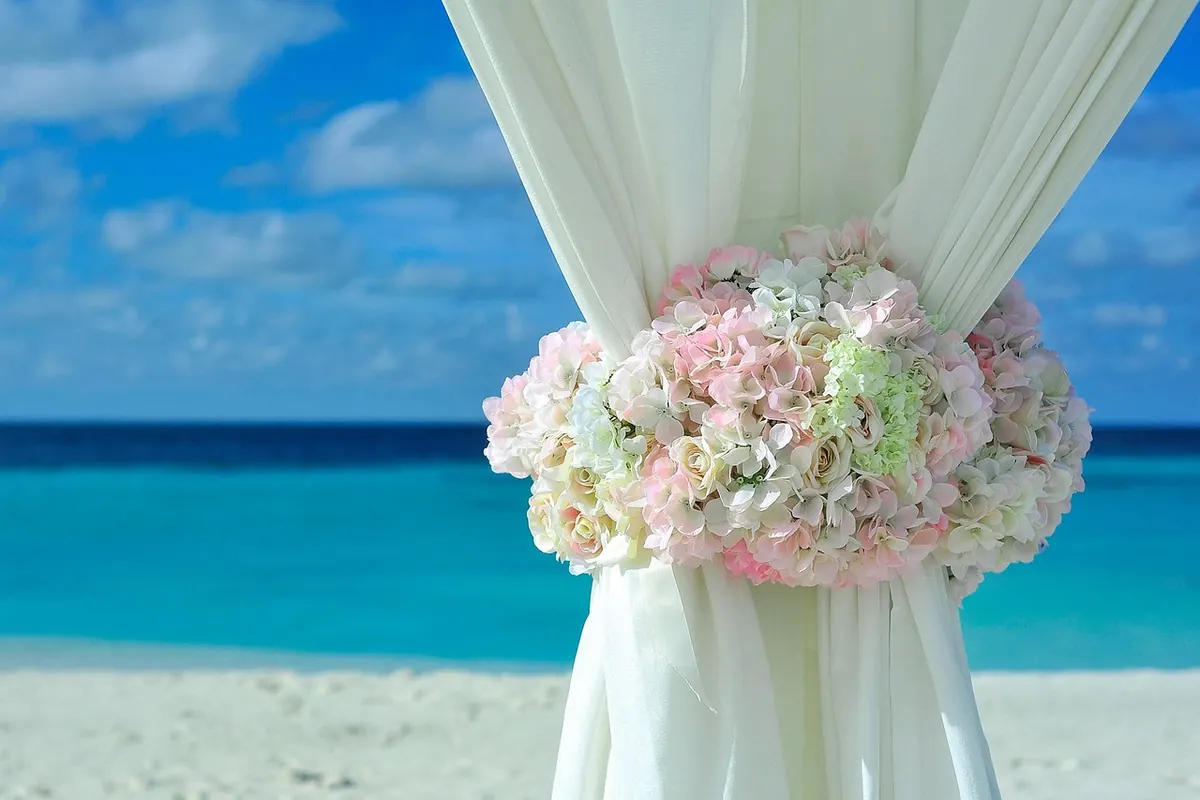
Wedding flowers are not a single decision. They are a series of small decisions made in the right order: the season, the venue, the budget, the guest tables, the buttonholes, the person who will pin them on. Get the order right and the final week feels less like a scramble and more like a set of confirmations. Get it wrong and even a beautiful bouquet can arrive with nowhere to stand and no one to unwrap it. This checklist walks you from twelve months out to one week before, with the practical details that keep the flowers looking considered rather than crowded.
12 to 9 Months Before: Set the Direction
Start with the room, not the roses. Before you fall for a particular flower, look at the venue: high ceilings, low beams, dark walls, bright windows, a garden marquee, a stone church. Each one changes what will read well. A delicate stem can vanish in a large, dim hall; a heavy arrangement can overwhelm a small private dining room. If you are choosing between venues, ask how they handle candles, hanging installations, outdoor set-ups and wet-weather moves. Those answers affect flower plans more than a colour swatch does.
Use this early list to keep the first conversations productive:
- Confirm the date, ceremony time and sunset time; light changes what guests see.
- Name the season and the likely weather, including a rain plan for an outdoor ceremony.
- Choose a loose colour direction, not a rigid palette: warm whites, garden pinks, deep burgundy, muted greens.
- Set a flower budget that includes delivery, set-up, vases, mechanics and breakdown, not just bouquets.
- List the people who need flowers: couple, wedding party, parents, grandparents, readers, flower girl, ring bearer.
- Note venue rules for open flames, hanging points, confetti, petals and access times.
You do not need every answer yet. You need enough to brief a florist without changing the whole story three times. Take photos of the venue, save fabric or stationery samples, and write down the three moments where flowers matter most to you. For some couples that is the ceremony arch; for others it is the table run or the bouquet.
8 to 6 Months Before: Book the Florist and Shape the Brief
Book early if your date falls in a busy season or your venue requires a supplier with specific access arrangements. At the consultation, bring the venue name, date, guest count estimate, colour direction, budget range and any inspiration images. Be honest about what you are unsure of. A good florist will ask how the room should feel, what you dislike, whether scent matters, and who will carry what. Inspiration images are useful when they show a mood, a shape or a texture; they are less useful when they are copied exactly from a room that is nothing like yours.
Ask for a written proposal that separates personal flowers, ceremony flowers, reception flowers, installation work, delivery, set-up and breakdown. Check what is rented and what is bought, who returns vases, and when the final count is due. Review the contract carefully, including deposit and cancellation terms. For payment schedules and contract wording, follow your signed agreement and seek professional advice if anything is unclear.
5 to 3 Months Before: Refine the Design and the Logistics
This is where the flowers move from mood board to floor plan. Walk the venue again if you can, or use a detailed plan from the coordinator. Mark the ceremony entrance, the aisle length, the backdrop, the signing table, the cocktail area, the dinner tables, the cake table and the bar. Then decide which of these actually need flowers and which are better left quiet. Not every surface needs a arrangement. A generous welcome table and a strong ceremony backdrop can do more than twenty small posies spread through the room.
Work through the practical sequence:
- Confirm the table plan and approximate guest numbers so centrepiece sizes can be set.
- Decide between low arrangements, tall stems, candles, bud vases or a mix, and check sightlines.
- Choose personal flowers: bouquet shape, bridesmaid bouquets, buttonholes, corsages and flower girl pieces.
- Plan ceremony pieces that can move to the reception: aisle flowers to the top table, arch foliage to the bar.
- Add the small touches: cake flowers, welcome sign, card table, bathroom posies, petal toss cones.
- Confirm delivery times, set-up access, power for lights, parking and who receives the flowers on the day.
Ask how delicate stems will cope with heat, wind or a long ceremony. If your day is outdoors, discuss water sources and shaded storage. If it is winter, ask how flowers will travel in the cold without marking.
2 Months Before: Confirm the Counts and the Venue Walk-Through
Numbers are the quiet engine of a flower plan. Finalise the guest count as closely as you can, then translate it into tables, chairs, place settings and arrangements. Confirm the wedding party list by name and role. Check whether grandparents or readers need corsages or buttonholes, and whether anyone has a scent sensitivity or allergy worth planning around. This is also the moment to settle the less visible details: vase hire, candle quantities, water top-up, ladder access, hanging hardware and breakdown timing.
Do a venue walk-through with the florist or send a clear video if travel is not possible. Point out service doors, lifts, stairs, uneven paths and the distance from the loading area to the ceremony space. A plan that looks simple on paper can become a forty-minute carry on the day. Confirm who will open the venue, who will lock up, and where empty boxes and crates should go.
1 Month Before: Finalize Numbers, Names and Deliveries
Send the florist the final table plan, guest count and names for personal flowers. Confirm the delivery address, time window, on-site contact and mobile number. If the bouquet needs to be collected rather than delivered, agree the time and a cool place to store it. Check whether the venue has a fridge or cool room; most flowers prefer cool, shaded conditions, but not direct fridge contact with fruit or strong smells. Confirm the schedule for photographs: when the bouquet is needed, when buttonholes are pinned, and when the ceremony space should be finished.
Review the final invoice and payment dates against your contract. Ask what happens to hired vases, stands and mechanics after the event, and who is responsible for returning them. If you plan to preserve the bouquet, ask which flowers press or dry well and whether the bouquet can be collected or kept overnight.
Final Week: Confirm, Label and Prepare
The final week is for confirmation, not reinvention. Send one clear summary email to the florist with the date, venue, delivery time, contact names, final counts and any last changes. Label boxes for personal flowers, ceremony pieces and reception arrangements if you are handling any of them yourself. Prepare a small kit with scissors, spare ribbon, water, a towel and hairpins; it solves more problems than it seems.
- Confirm delivery and set-up times with the venue and florist in writing.
- Assign one person to receive the flowers and one to pin buttonholes.
- Keep bouquets out of direct sun and away from heaters before the ceremony.
- Check the weather plan and know where outdoor arrangements will move if rain arrives.
- Pack a vase or bucket for any flowers travelling home after the wedding.
If children or pets will be near the flowers, keep delicate pieces above reach and remove anything that could be pulled over. Ask the photographer to capture the flowers early, before the room fills and before the bouquet is put down.
A Calm Finish Starts With a Clear Plan
The last week should feel like checking a list, not rebuilding a design. Keep one master document with times, names, counts and contacts, and share it with the venue and florist. At Mimosa Della Baia, we would rather answer ten small questions a month before than one urgent question on the morning. When the plan is clear, the flowers can do their real work: make the room feel like you, without asking for attention.
Photo: Pexels / Pixabay